
The Anatomy of Rest: A Homecoming to the Body
- Feb 1
- 4 min read

In a world that often measures our worth by how much of ourselves we can set on fire, the act of resting can feel like a radical, almost frightening, departure from the norm. We’ve been conditioned to believe that rest is something we earn—a reward at the finish line of exhaustion—rather than the very soil from which our vitality grows. We treat our bodies like machines that need to be "recharged" only when the battery hits zero, forgetting that we are biological, seasonal beings who require a much more nuanced form of restoration than a simple power cycle.
To understand the anatomy of rest, we first have to distinguish it from sleep. Sleep is a biological necessity, a rhythmic housekeeping of the brain and a repair of the tissues. But rest? Rest is a somatic reclamation. It is the deliberate choice to let the nervous system "unclench." You know that feeling when you finally drop your shoulders away from your ears after a long day, or that sudden, sharp exhale when you realize you’ve been holding your breath for the last three hours? That moment of release is the first gate of rest. It’s about moving out of the "Survival Mind"—the part of us that is always scanning the horizon for the next task—and back into the "Sovereign Body," where we are allowed to simply exist without a deadline or a demand.
I like to think of rest as a multi-layered architecture, a home with many rooms, each serving a different part of our weary selves. Most of us are familiar with Physical Rest—the luxury of horizontal time, the weight of a heavy blanket, and the softening of muscles. But if we only rest the body while the mind is still sprinting, we find ourselves in that "tired-but-wired" state that never truly refreshes.

This is where Sensory Rest becomes our most vital modern ally. Our world is loud; it is bright, fast, and constantly demanding our attention through blue light and digital pings. Sensory rest is the quiet that comes when we intentionally dampen the "input." It is the act of sitting in a darkened room for ten minutes, or walking through a garden without a podcast in our ears. When we give ourselves permission to experience a moment that isn't being recorded, shared, or optimized, we are practicing a profound form of self-stewardship. We are telling our nervous system: You are safe enough to be still. There is nothing to defend against right now.
But as we go deeper into the anatomy of ourselves, we encounter Emotional Rest. This is perhaps the most courageous form of pausing. It is the space where we give ourselves permission to stop "performing" happiness or "managing" the emotions of everyone around us. It is the moment you stop saying "I’m fine" when you are actually depleted, and instead, allow yourself the dignity of your true feelings. This kind of rest happens when we find a sanctuary where we don't have to be "on" for anyone else. It is a shedding of the social mask, allowing the heart to beat at its own natural, unhurried pace.
We also have to consider Mental Rest. Have you ever tried to go to bed, only to have your brain start writing a grocery list or replaying a conversation from three years ago? That is a mind that has forgotten how to rest. Mental rest isn't necessarily about "not thinking"—it’s about changing the quality of the thought. It’s moving from the analytical, problem-solving "Doing Mode" into the observational, spacious "Being Mode." We achieve this through small, rhythmic rituals: the repetitive motion of knitting, the slow stirring of a pot of soup, or the steady gaze of watching clouds pass by. These acts don't require "solving"; they only require "noticing."
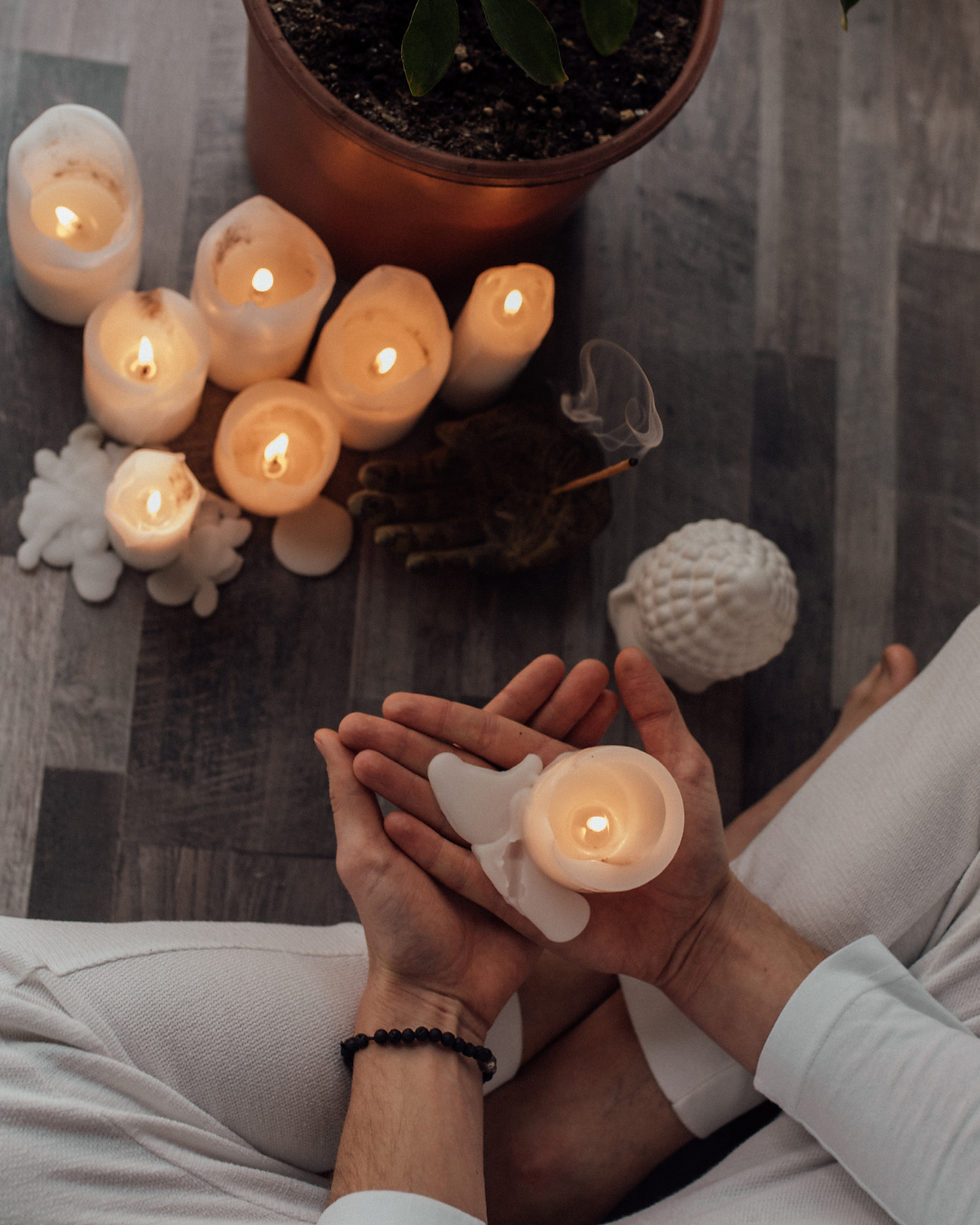
As you move through your days, I invite you to look at your rest not as a "break" from your life, but as the very foundation that makes your life possible. We often fear that if we stop, we will lose our momentum, but the opposite is true. True momentum—the kind that is sustainable and soulful—is born from a well-rested heart. Try to find the "pockets of peace" in your day—the three minutes where you sit with your tea and do nothing but feel the warmth of the mug, or the evening ritual of brushing your hair with slow, intentional strokes.
This isn't about being "productive" at resting; it’s about softening the edges of your reality until you feel at home in your own skin again. We are not meant to be in a state of constant blooming. Just as the earth requires the fallow quiet of winter to prepare for the surge of spring, you require the anatomy of rest to prepare for the audacity of your own becoming. Rest is not a luxury for the few; it is a sacred right for the many.
May you walk through the coming days with intention in your step and peace in your pulse. Until next time, stay rooted in your own magic.
Amber, your guide.



Comments